CASE STUDies
X
Ai audiovisuals
Product consistency in AI-generated content: preserving logos, textures, and materials
This case study explores product consistency in AI-generated visuals, focusing on sports jerseys. Using multiple tailored workflows, the project ensures accurate preservation of logos, fabric textures, and key product details.
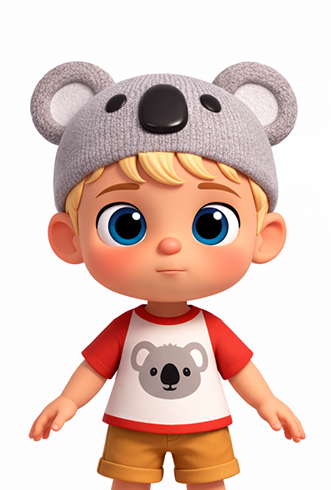
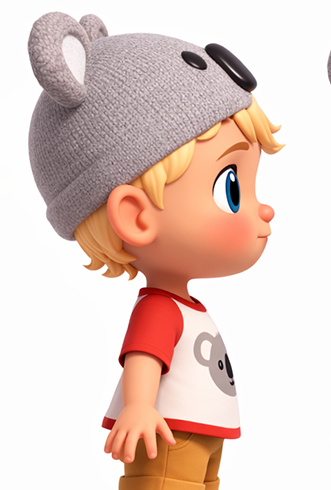
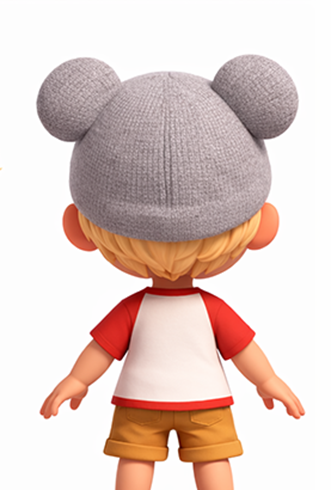
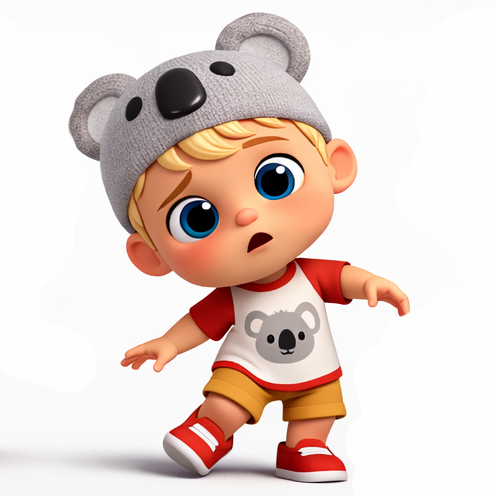
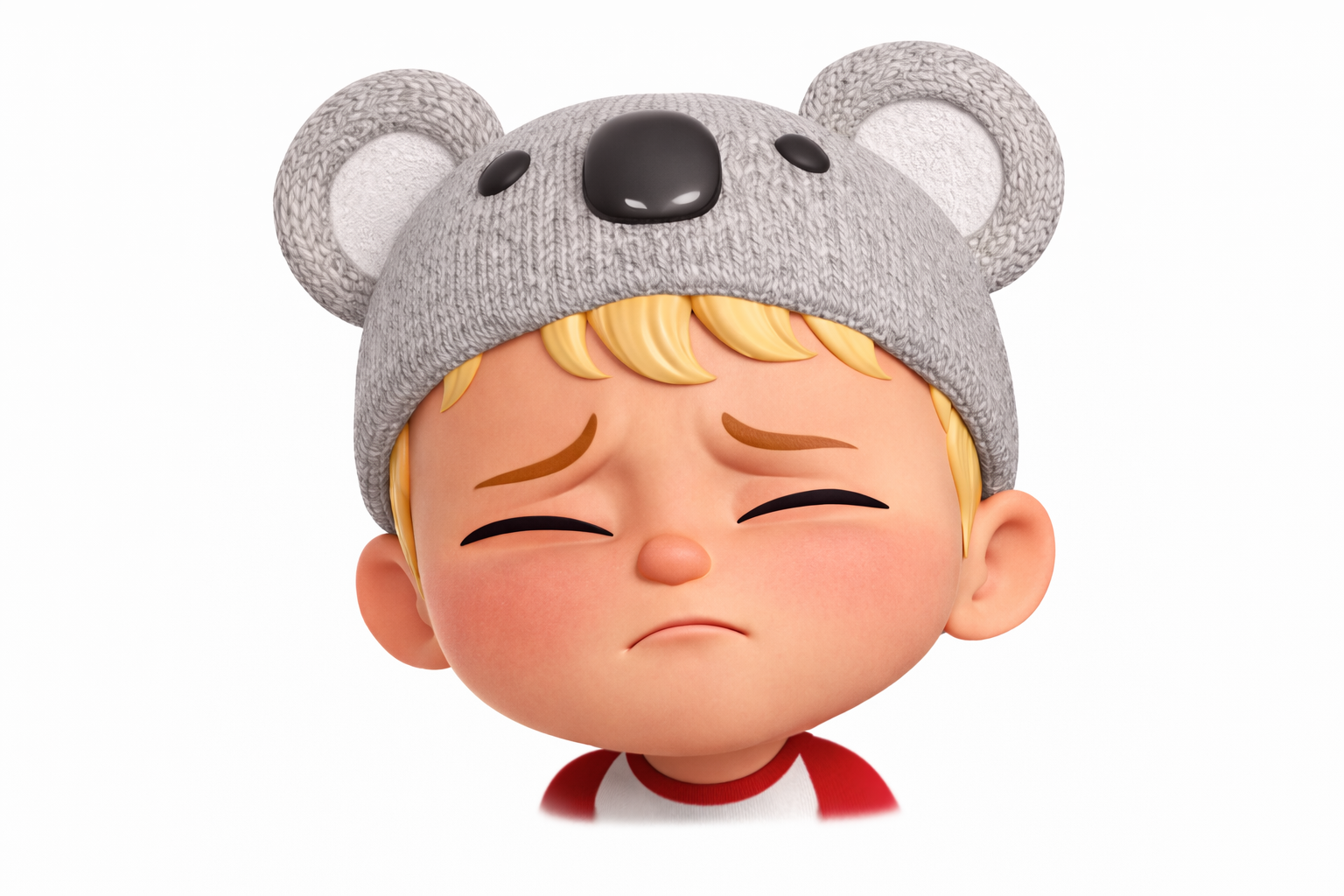
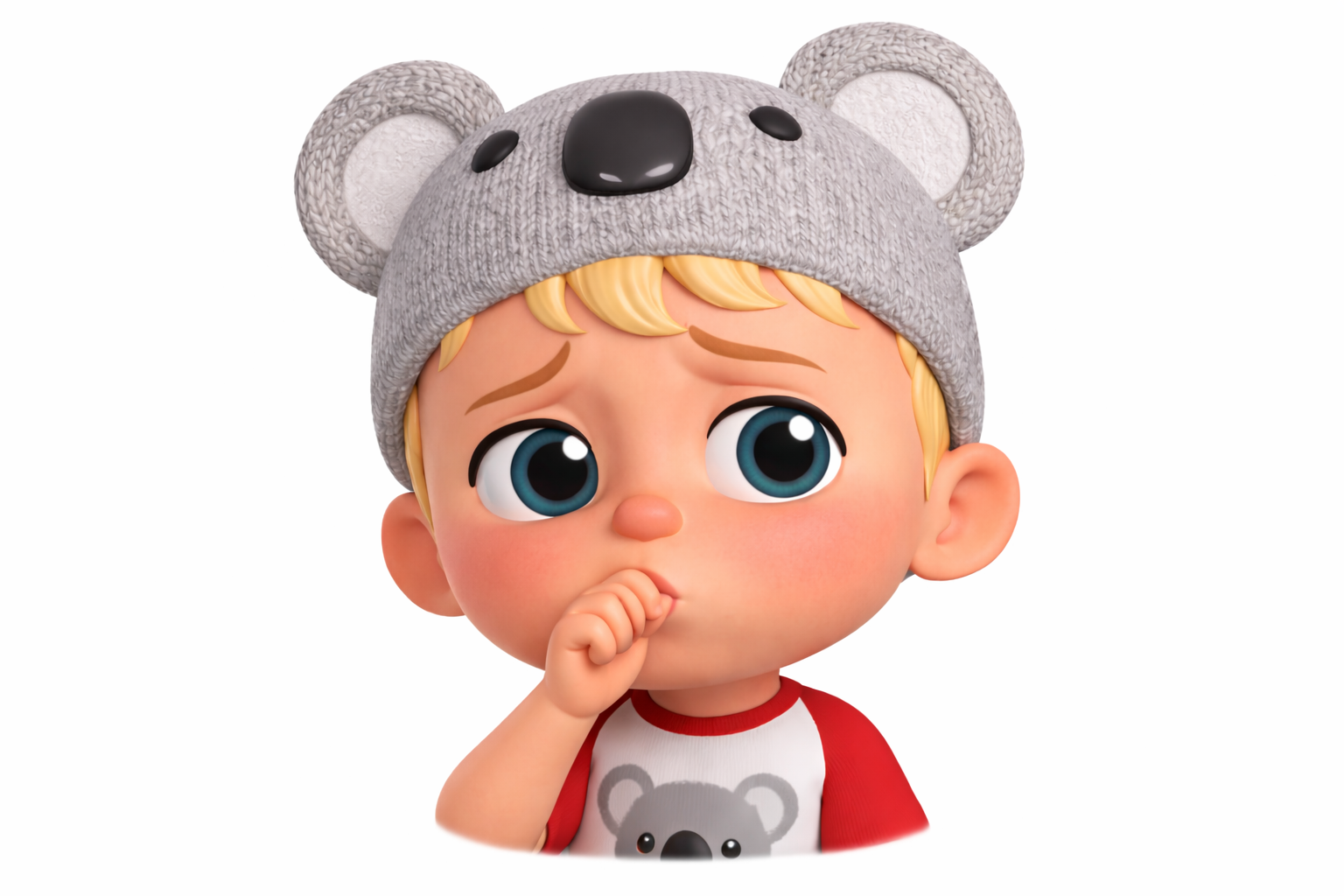
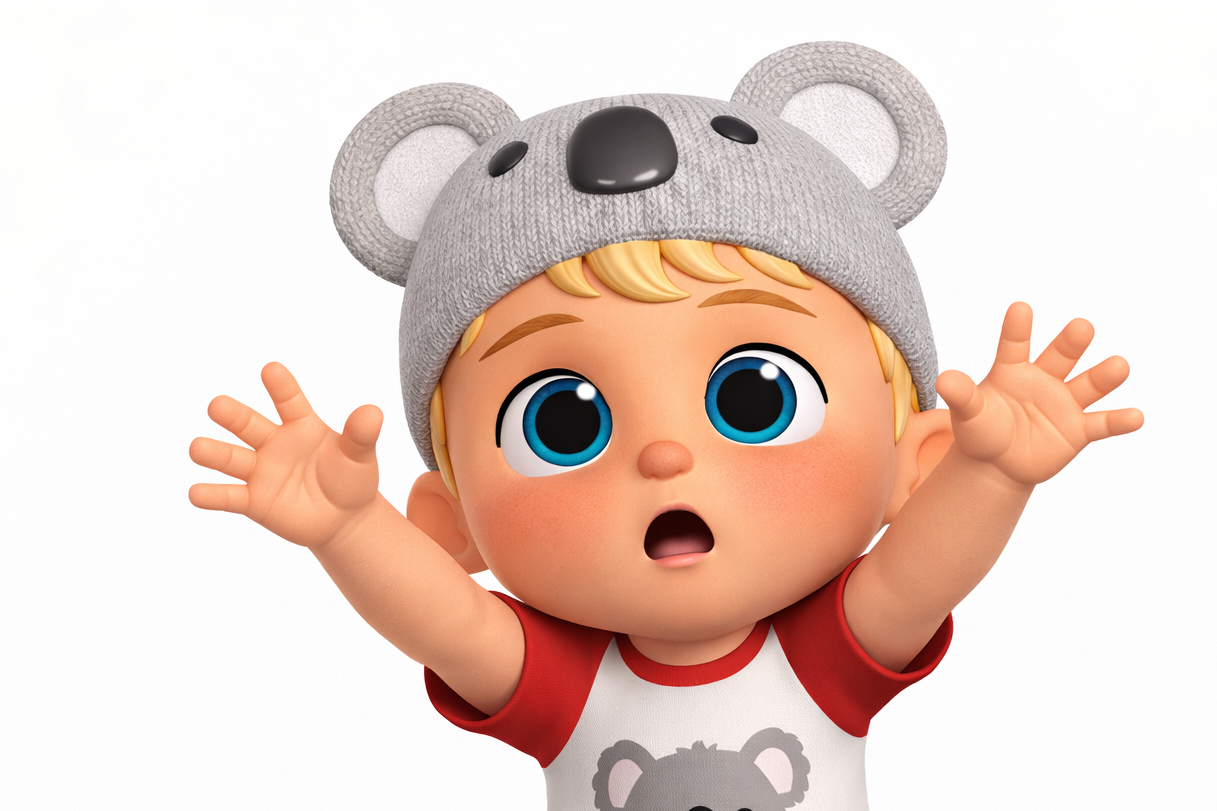
Character consistency in AI-generated imagery: building a scalable visual identity
This case study explores the creation of a consistent AI-generated character using a custom-trained LoRA, controlled prompting, and tailored Stable Diffusion and WAN 2.2 workflows.
The project focuses on preserving identity, proportions, outfit details, and emotional range across diverse environments, resulting in a reusable character system designed for scalable storytelling and long-term visual branding.
Character consistency in AI video: from LoRA training to narrative control
This case study presents a practical approach to realistic character consistency in AI-generated video using a custom-trained LoRA and a controlled generation pipeline in ComfyUI.
Creative Direction with AI: When Closed Source Is Enough — and When It Isn’t.
This case study, composed of three social media pieces, examines creative direction using closed-source AI tools such as Runway, Midjourney, ChatGPT, and ElevenLabs. These tools are effective for rapid ideation and social media content, but are highly prompt-dependent and show limitations when working with recurring characters or consistent visual assets. Even with strong references, visual details tend to drift, and full control over assets and outputs is not possible. As a result, they are best suited for sketches and short-form pieces where full consistency is not critical.
Creative Direction with AI: When Closed Source Is Enough — and When It Isn’t.
This case study, composed of three social media pieces, examines creative direction using closed-source AI tools such as Runway, Midjourney, ChatGPT, and ElevenLabs. These tools are effective for rapid ideation and social media content, but are highly prompt-dependent and show limitations when working with recurring characters or consistent visual assets. Even with strong references, visual details tend to drift, and full control over assets and outputs is not possible. As a result, they are best suited for sketches and short-form pieces where full consistency is not critical.